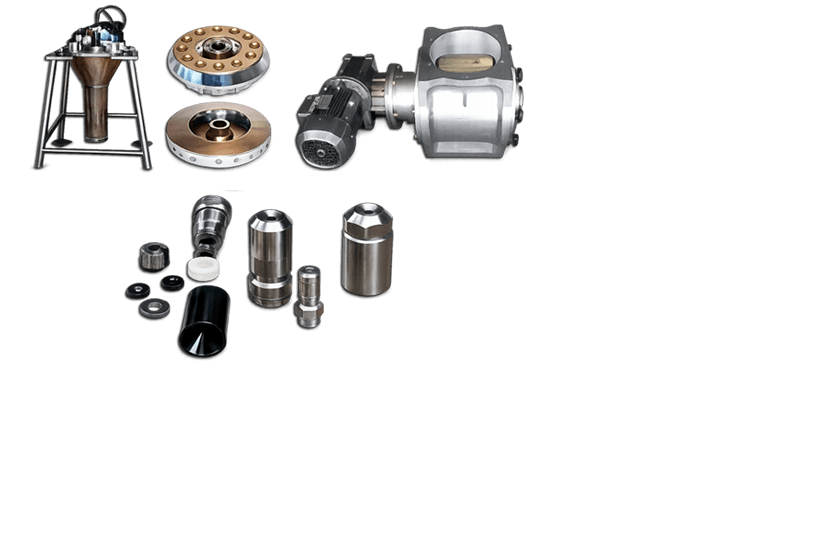
Delivering reliable, high-performance solutions engineered for diverse industrial applications.
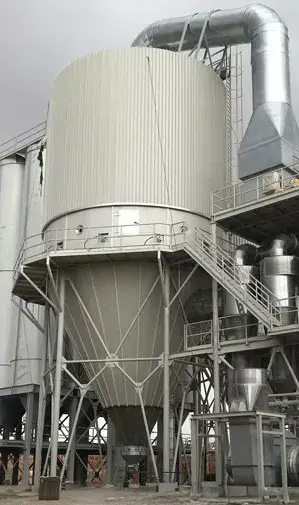
High-performance solutions built for ceramic manufacturing and processing.
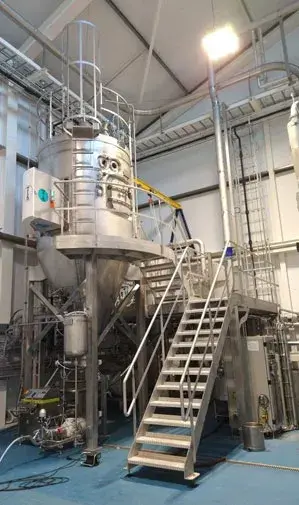
Advanced solutions supporting quality-driven nutraceutical manufacturing.
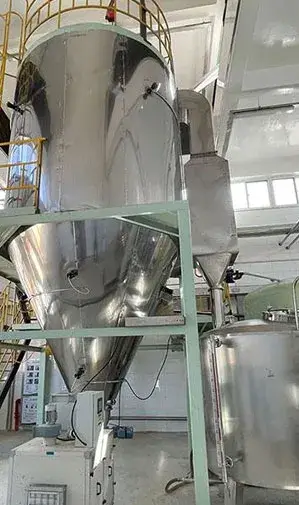
Reliable industrial solutions for agricultural chemical production processes.
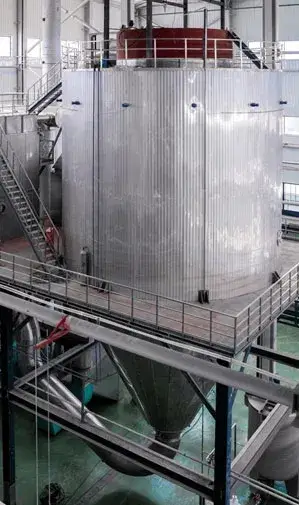
Specialized engineering solutions for complex chemical processing applications.

Hygienic and efficient solutions designed for demanding food processing environments.
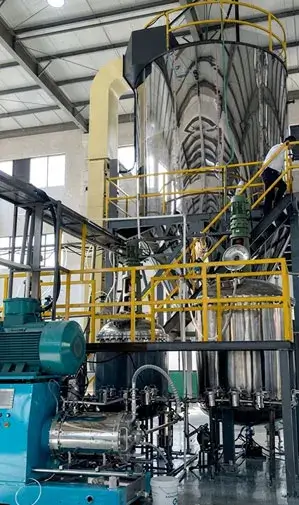
Precision-focused solutions meeting stringent pharmaceutical production requirements.

Robust solutions engineered for challenging chemical processing applications.
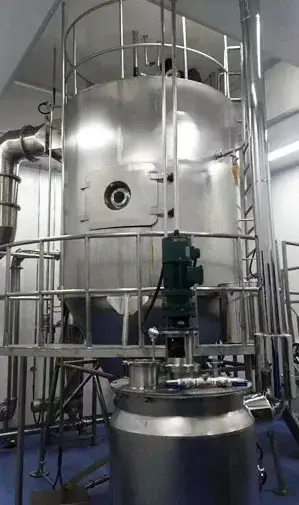
Efficient and hygienic technology for modern dairy processing applications.
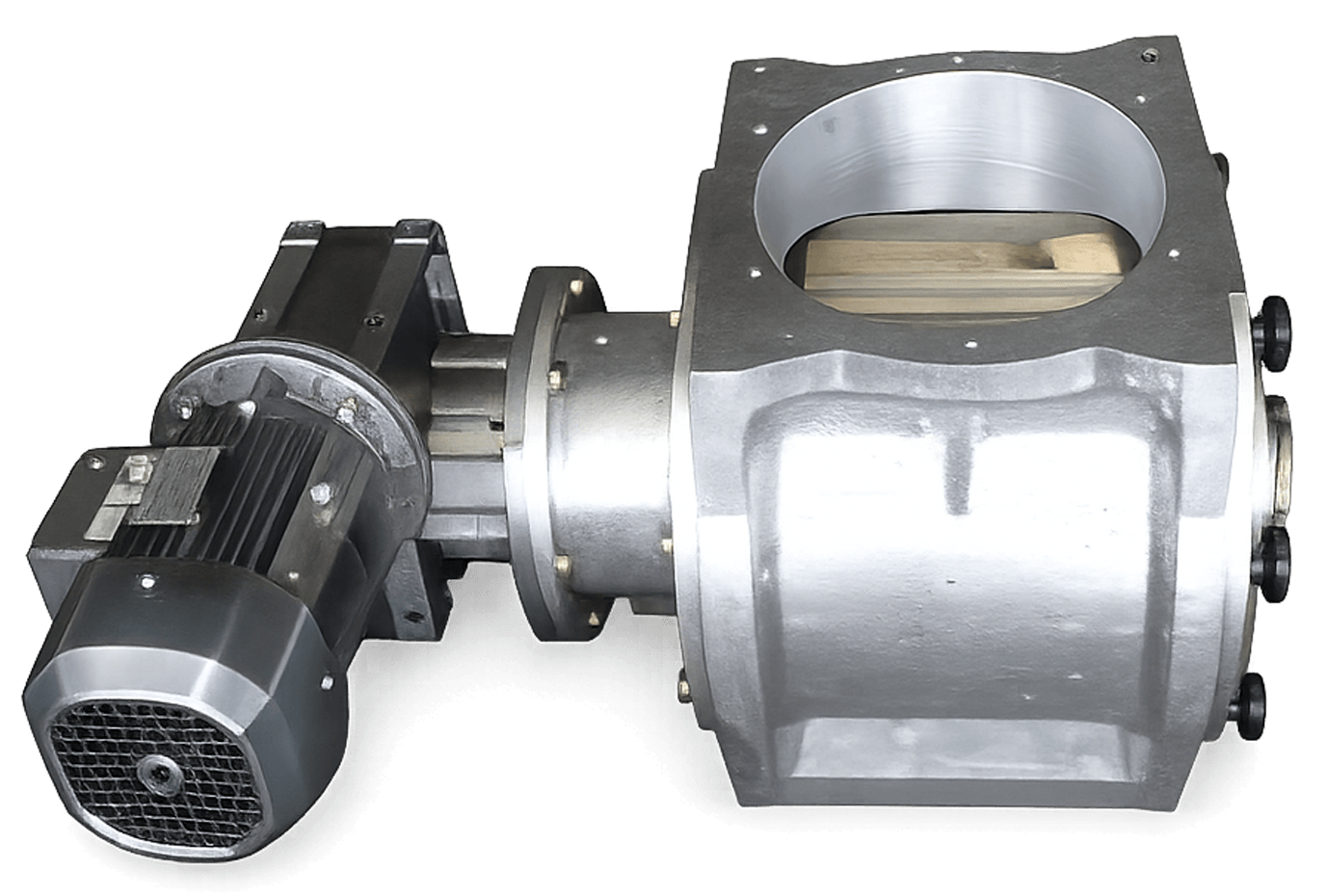
A Rotary Air Lock Valves (RAV) works by sealing air while continuously Discharging Dust or Powder from Bag Filters, Cyclones, and Multiclones. The Valve consists of a Rotor with 6 or 8 Vanes Mounted inside a stator, maintaining a precise 0.1–0.3mm clearance to prevent air leakage. A geared motor rotates the rotor, moving material through in controlled pockets without disturbing the negative pressure inside the filter system — ensuring continuous, efficient discharge and consistent dust-handling performance.
A Rotary Air Lock Valves prevents air leakage while continuously discharging dust or powder from filtration systems.
|
1. What is a Rotary Air Lock Valve used for? It's used to discharge Dust or Powder from Bag Filters, Cyclones, and Multiclones while preventing air leakage. |
|
2. How does a Rotary Air Lock Valve work? A rotating vaned rotor moves material through in controlled pockets while maintaining an airtight seal against the stator. |
|
3. What is the rotor-stator clearance in a Rotary Air Lock Valve? Typically 0.1–0.3mm, ensuring minimal air leakage during operation. |
|
4. How many vanes does a Rotary Air Lock Valve rotor have? Rotors are commonly built with 6 or 8 vanes, depending on the application. |
|
5. Where are Rotary Air Lock Valves installed? Below bag filters, cyclone separators, and multiclone dust collectors in industrial systems. |
|
6. Why is a Rotary Air Lock Valve important in Dust Collection Systems? It maintains negative pressure inside the system while allowing continuous, leak-free material discharge. |
|
7. Which industries use Rotary Air Lock Valves? Pharmaceutical, Chemical, Food Processing, Agrochemical, and Powder Processing Plants for Continuous, leak-free dust and material handling. |